
Islamic Classes for Kids (Ages 3–12): Mastering Quran Basics & Prophetic Values
1/10/20264 min read
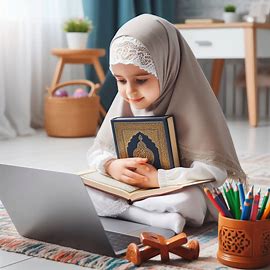
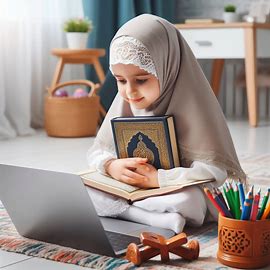
Introduction to Islamic Education for Children
The foundation of a child's moral and ethical framework is significantly influenced by the educational experiences they encounter during their early years. Islamic education for children aged 3 to 12 serves a crucial role in nurturing a strong connection to faith and understanding of Islamic principles. By introducing the Quran and prophetic values at a tender age, parents and educators can instill a sense of belonging and identity within the Islamic community.
Engaging children with Islamic teachings not only builds their knowledge of religious texts but also affects their overall character development. The Quran, as a primary source of guidance for Muslims, provides profound insights into values such as compassion, honesty, and respect. Through storytelling, memorization, and interactive activities, children can learn about these values in an engaging manner that resonates with their personal experiences.
Moreover, the teachings of the Prophet Muhammad (peace be upon him) serve as an exemplary model for moral conduct. By learning about his life and the principles he advocated, children can develop important virtues such as patience, generosity, and trustworthiness. Mastering these values early on can significantly influence their behaviors and attitudes, equipping them to navigate complex social environments with confidence and integrity.
In light of these elements, it becomes clear that early Islamic education is not merely an academic endeavor but a vital component of holistic child development. Instilling Quranic knowledge and prophetic values at a young age can create a positive impact that extends beyond religious boundaries, ultimately influencing the individual’s moral compass and ability to contribute positively to society as they grow.
Quran Basics: Developing a Foundation
Introducing children to the Quran is crucial in establishing a strong foundation in Islamic knowledge. This journey typically begins with the fundamentals of Quran recitation, also known as Tajweed. Tajweed encompasses the rules and regulations guiding the pronunciation of Arabic letters, ensuring that children recite the Quran correctly and beautifully. Fostering an early understanding of Tajweed not only enhances their auditory skills but also instills respect for the sacred text.
Moreover, memorization, or Hifz, plays a significant role in Quran education. Children have a remarkable capacity for memory, and using this to memorize verses fosters a deep connection with the Quran. Instructors can implement various strategies to make memorization engaging, such as using melodic recitation, interactive lessons, and storytelling. These approaches allow children to internalize the verses in a manner that is both enjoyable and effective.
Comprehension, the final component of Quran education, involves teaching children the meanings behind the verses they recite and memorize. This aspect is essential, as understanding the Quran instills moral values and ethical principles aligned with prophetic teachings. Educators should encourage discussions that not only elaborate on the texts but also enable children to relate the teachings of the Quran to their daily lives. Utilizing resources such as visual aids, age-appropriate translations, and interactive applications will further enhance comprehension among young learners.
In order to create a holistic learning experience, it is beneficial to incorporate a combination of these methods. Parents and educators should remain patient and supportive, celebrating small achievements, which helps instill a lifelong love for the Quran. Through effective teaching methods, children can develop a solid foundation in Quran education, preparing them for advanced learning as they grow older.
Teaching Prophetic Values: Character Building Through Hadith
Incorporating prophetic values into children's education is essential for their character development. These values, based on the teachings and Hadiths of the Prophet Muhammad (peace be upon him), provide a framework for moral and ethical behavior. They emphasize virtues such as honesty, kindness, patience, and respect, which are fundamental in forming a well-rounded individual.
Hadiths serve as practical guidelines that can be employed in everyday situations, illustrating the importance of these traits in both personal and communal life. For instance, the Prophet's emphasis on honesty can be introduced through stories that underline the significance of telling the truth, such as the well-known Hadith where he stated, "Truthfulness leads to righteousness, and righteousness leads to Paradise." This can be a powerful lesson for children in their interactions with peers and adults alike.
To reinforce these prophetic values, educators and parents can adopt various strategies to make them relatable to children. One effective method is through storytelling; sharing animated tales about the prophetic traditions can help exemplify these virtues in action. Engaging children with interactive discussions about the moral lessons behind each Hadith can also enhance their understanding and application of these values in their lives.
Another impactful approach is modeling behavior that embodies these virtues. When children observe adults practicing kindness or expressing patience, they are more likely to emulate these traits. Additionally, creating an environment where children can practice these virtues—such as community service projects or group activities—allows them to experience the joy and fulfillment that comes from embodying prophetic values.
Incorporating Hadith into everyday learning nurtures a generation equipped with strong moral foundations. As children learn to internalize these teachings, they develop the character necessary for personal success and communal harmony. Ultimately, teaching prophetic values in childhood lays the groundwork for a life guided by integrity, compassion, and respect for others.
Creating an Interactive Learning Environment
Establishing an engaging and interactive learning environment is pivotal in Islamic classes for children aged 3 to 12. Such an environment not only enhances the learning experience but also fosters a deeper appreciation for Islamic teachings, including Quran basics and prophetic values. To achieve this, one must incorporate various activities and games that are both educational and enjoyable.
Interactive games can serve as effective tools for teaching Islamic principles. For instance, incorporating board games that focus on Quranic stories can help children not only learn the content but also apply its lessons in a fun manner. Additionally, storytelling sessions can captivate children's attention, allowing them to connect with the characters and morals depicted in Islamic narratives.
Community involvement plays a significant role in creating a richer learning environment. Organizing community events such as open days or family workshops encourages parents to participate, making the learning process a collective experience. These activities can help reinforce the values being taught in class while promoting a sense of belonging among the students and their families.
Furthermore, technology can be harnessed to enhance Islamic education. Utilizing educational apps and multimedia presentations fosters an engaging atmosphere where children can explore Quranic content creatively. For example, interactive quizzes conducted through applications can reinforce understanding while providing instant feedback on their progress. This modern approach not only appeals to tech-savvy children but also aids in retaining their attention.
In sum, creating an interactive learning environment through games, community engagement, and technology can significantly enrich the educational experience in Islamic classes. By making the learning process enjoyable and immersive, children are more likely to embrace Islamic teachings and values, paving the way for lifelong learning and personal growth.
Virtual Quran Classes
Experience exceptional Quran learning for all ages.
Enroll Now
Contact
+44 7417 582533
© 2025. All rights reserved.